Building Block 2 of 5
Manual Machining
The hand skills that separate a machinist from a machine operator. A student who has cut parts manually is more prepared for CNC — tooling, cutting speeds, vibrations, noise and even smell, which is exactly what the next three building blocks depend on.
-
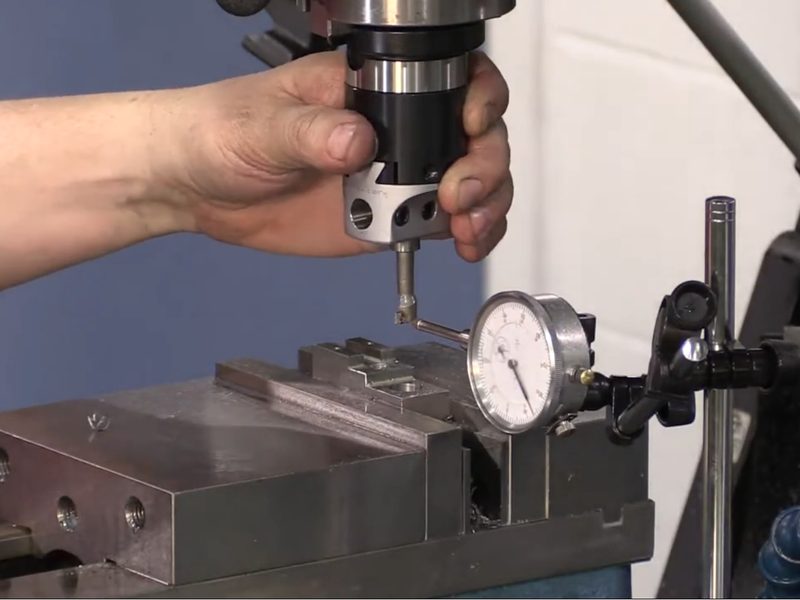
Manual mill
-
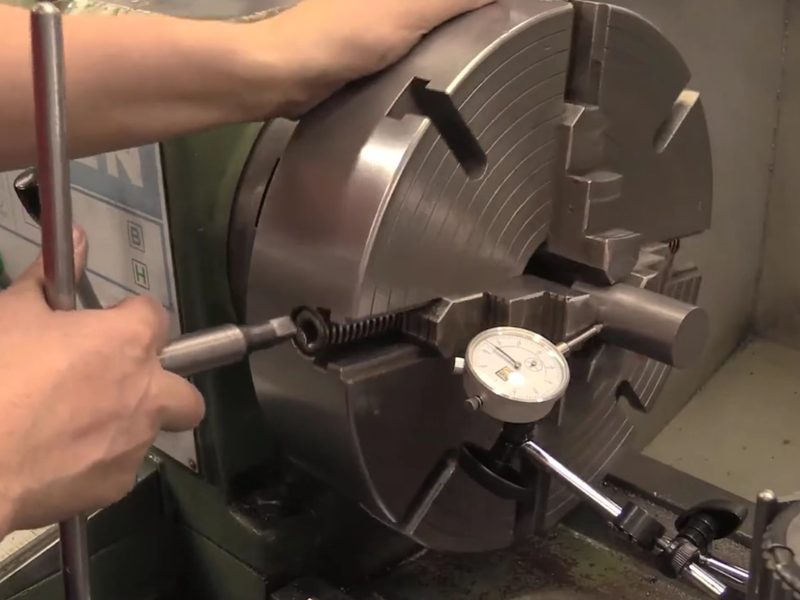
Manual lathe
-
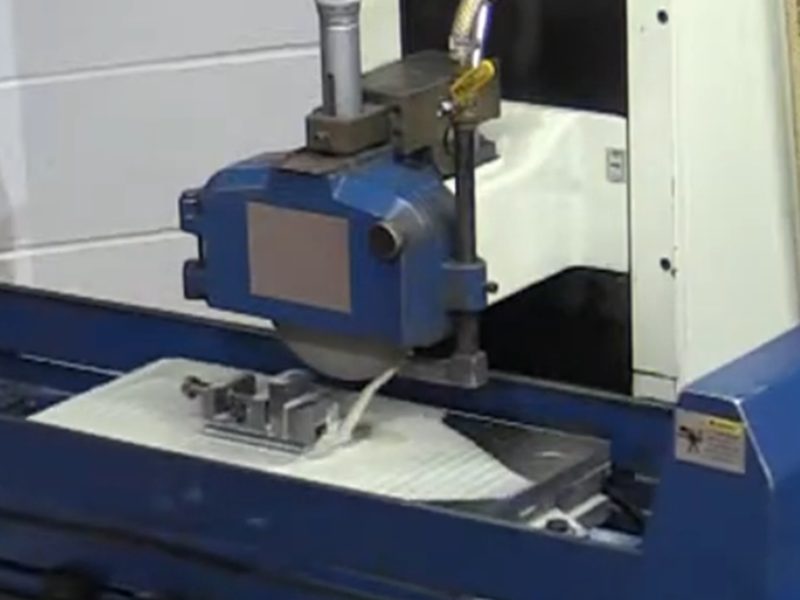
Precision grinding


What this building block covers
- Drill Press
- Manual Mill
- Manual Lathe
- Precision Grinding
Why it comes before the CNC work
It is possible to teach a student to set up a machine, understand G code, load a program and press cycle start without any of this. Without prior manual experience, the operator lacks firsthand experience of dull tools, bad feeds, vibration, poor surface finish and the order of operations to finish a part. This develops an instinct to make decisions with their own hands.
By the time students reach Machine Setup they have an intimate knowledge of a machine and more confidence to take on a CNC machine. Not to mention, many machine shops, in addition to CNC, require manual machining skills.
Assessed with completed parts
Manual machining requires core skills to complete a quality part within tolerance. This can only be achieved with the foundational knowledge to read prints, set up the machine and work holding, and calculate feeds and speeds. Students are evaluated on their assessments and final parts.
Next in the pathway
Manual Machining leads into Machine Setup, where students move to CNC mills and lathes.